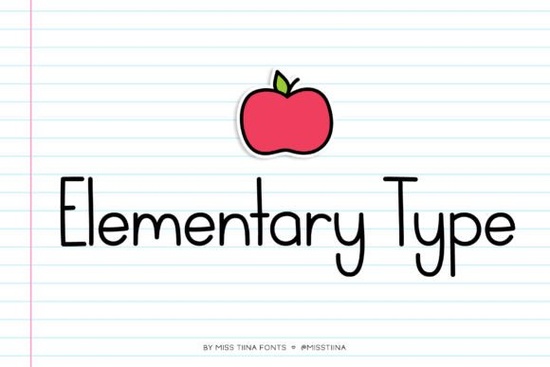
If you’re putting together materials for kids whether it’s classroom handouts, storybooks, or planner stickers the Elementary Type Font is one of those quietly brilliant tools that just makes everything feel more welcoming. It’s got that cheerful, rounded lettering that feels like crayons and construction paper, but still stays clean and readable. Teachers, homeschoolers, and small creative businesses especially love how naturally it fits into educational or playful projects.
What sets this font apart isn’t just its look though the bubbly shapes and soft curves are undeniably charming it’s also the little extras. You get 10 hand-drawn doodles tucked right into the character set: stars, pencils, apples, smiley faces, and more. These aren’t clipart files you have to layer separately; they’re built right in, so you can type them like letters. That means faster designing, fewer layers in your software, and a cohesive vibe across every project.
Who actually uses Elementary Type Font?
It’s not just for kindergarten teachers (though they’ll adore it). Here’s where you’ll see it shine:
- Print-on-demand sellers creating back-to-school notebooks, teacher appreciation mugs, or kids’ birthday party invites.
- Indie publishers illustrating early reader books or activity workbooks.
- Crafters making vinyl decals, iron-ons, or printable wall art for nurseries and playrooms.
- Small stationery brands designing sticker sheets, washi tape, or calendar inserts with a handmade feel.
And if you’ve used fonts like Belly or Yorks before, you’ll appreciate how Elementary Type slots right in alongside them same friendly energy, different personality. It pairs especially well with simpler sans-serifs when you need contrast between headlines and body text.
Can I use it for commercial projects?
Yes and that’s a big reason why it’s popular with entrepreneurs. Creative Fabrica includes a commercial license with every download, so you’re covered whether you’re selling printable packs on Etsy or branding your tutoring business. No extra fees, no confusing tiers. Just download, install, and go.
One thing to note: while it’s perfect for display use titles, labels, logos, posters it’s not meant for long paragraphs. The playful shapes and uneven baseline give it charm, but also make it harder to read in bulk. Think of it like sidewalk chalk: delightful for signs and headings, less ideal for chapter books.
How does it compare to other playful display fonts?
If you’ve browsed Creative Fabrica’s display section, you’ve probably seen fonts like Retro Lettering for vintage vibes or Urbandrips for streetwear edge. Elementary Type doesn’t compete with those it fills a different niche. It’s softer, gentler, and intentionally childlike without being babyish.
For something similarly approachable but more modern-minimal, check out Awesome Newbie. But if your goal is warmth, nostalgia, or kid-friendly energy, Elementary Type has a sincerity others don’t quite capture.
Any tips for getting the most out of this font?
A few practical ideas from designers who use it regularly:
- Pair it with a neutral sans-serif. Try Montserrat, Quicksand, or Nunito for body text. Keeps things balanced.
- Use the doodles as bullet points or dividers. Type “” or “#” to pull up stars or hearts great for checklists or section breaks.
- Bump up the tracking slightly. The letters sit close together by default. Adding 10–20 units of letter-spacing helps it breathe, especially in larger sizes.
- Try it in color. Pastels work beautifully, but don’t be afraid of bright primaries it holds up well.
You can see the full character set and licensing details over at Elementary Type Font.
Is it worth downloading if I already have cute fonts?
Maybe. If your current collection leans more toward trendy script fonts or minimalist geometric styles, Elementary Type adds something genuinely different: authentic childhood energy. It doesn’t feel designed by an algorithm trying to guess what “cute” should look like it feels like someone actually sat down with colored pencils and made something kids would want to touch.
And because it’s so specific in its purpose, it doesn’t overlap much with broader-use fonts. Think of it as a specialty tool, like a pastry tip or a fine liner not something you use every day, but indispensable when the job calls for it.
Next step: Open your next project file. Type out a sample headline in Elementary Type. Add one of the doodles. See how it changes the mood. Sometimes the best way to know if a font fits your workflow is to just… try it. You might be surprised how often you reach for it once it’s in your library.
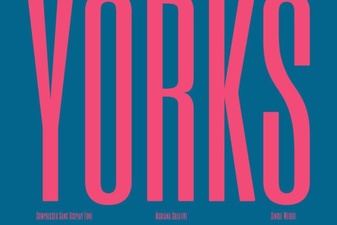 Yorks Font: Modern Typography for Design Projects
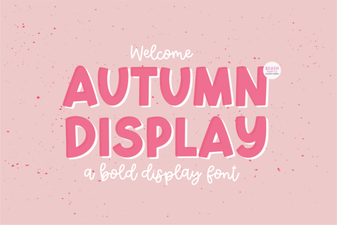 Craft Seasonal Designs with an Autumn Display Font
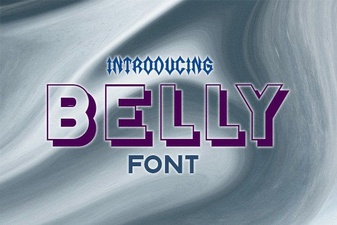 Belly Font Design: Creative Projects & Typography Ideas
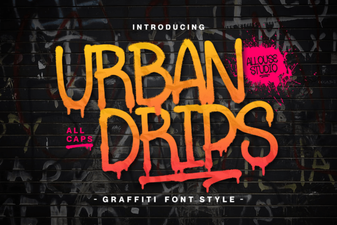 Urbandrips Font: Tips for Graphic Design Projects
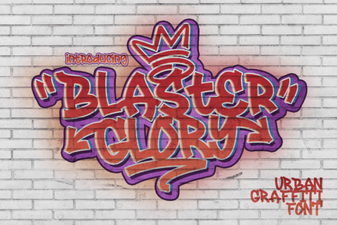 Craft Bold Designs with Blaster Glory Font
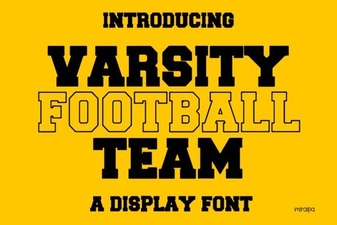 Choosing Fonts for Your Varsity Football Designs