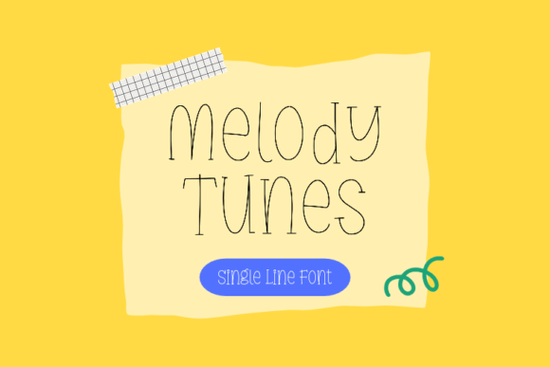
If you’ve been searching for a handwritten font that feels like it was drawn with a smile, Melody Tunes Font might be exactly what your next project needs. It’s not stiff or overly polished instead, it leans into its imperfections with playful curves and charming irregularities that give it real character. Whether you’re designing greeting cards, kids’ book covers, or boutique packaging, this font adds warmth without trying too hard.
What makes Melody Tunes different from other script fonts?
Most script fonts aim for elegance or consistency. Melody Tunes doesn’t. It’s got bounce in its step. Letters vary slightly in height and angle, mimicking the natural rhythm of handwriting. That means no two “a”s look exactly alike and that’s intentional. It’s designed to feel human, not machine-made.
You’ll notice little surprises: a loop here, a tail there, maybe an unexpected dip in a baseline. These aren’t flaws they’re features. If you’ve used fonts like Never Brat or Rain, you know how personality can elevate a design. Melody Tunes sits comfortably in that same space casual, expressive, and full of life.
Who should use this font?
This isn’t a corporate logo font. It’s for creators who want to invite people in, not impress them with formality. Think:
- Children’s illustrators The friendly shapes pair beautifully with storybook art.
- Small business owners Perfect for bakery labels, handmade soap tags, or boutique signage.
- Print-on-demand sellers Stand out on Etsy or Redbubble with designs that feel handcrafted.
- Crafters and hobbyists Use it for scrapbooking, birthday banners, or custom gift tags.
It also layers well with more structured fonts. Try pairing it with something clean like Shabby for contrast the roughness of one balances the polish of the other.
How does it perform in real-world projects?
One thing users love is how readable it stays, even at smaller sizes. The whimsy doesn’t come at the cost of clarity. You can use it for short headlines, product names, or even body text in informal layouts (though we’d still recommend limiting body use to children’s materials).
It includes uppercase, lowercase, numerals, punctuation, and basic symbols. No alternates or ligatures which keeps things simple if you’re not deep into OpenType features. For crafters using Cricut or Silhouette machines, it cuts cleanly without needing heavy node cleanup.
If you’ve struggled with fonts like Quickly Replaced or Golfmind feeling either too rigid or too chaotic, Melody Tunes strikes a happy middle ground. It’s controlled enough to stay legible, but loose enough to feel alive.
Any tips for getting the most out of it?
A few practical suggestions:
- Use generous spacing. Let the letters breathe tight kerning kills the charm.
- Pair with muted colors. Soft pastels or earth tones let the font’s personality shine without competing.
- Avoid all-caps. The lowercase forms carry most of the whimsy. Uppercase works fine for accents, but not whole sentences.
- Layer with textures. Try placing it over watercolor washes, kraft paper backgrounds, or doodle-style illustrations.
And don’t forget since it’s a Creative Fabrica product, you get commercial use rights included. That means whether you’re making 10 cards or 10,000 mugs, you’re covered.
Where does it fit in the bigger picture of script fonts?
Script fonts fall into two broad camps: formal scripts (think wedding invitations) and casual scripts (think chalkboard signs). Melody Tunes lands firmly in the latter but with more structure than something like Shabby or Golfmind. It’s got enough consistency to feel intentional, not accidental.
For designers tired of sterile, geometric typefaces, this is a breath of fresh air. And for small shops wanting to stand out without hiring an illustrator, it’s a shortcut to handmade appeal.
One last note: If you’re comparing options, check how each font renders at the size you’ll actually use. Some whimsical fonts fall apart below 24pt. Melody Tunes holds up surprisingly well even down to 18pt in print.
Ready to try it? Here’s your next step:
- Download a sample first test it with your own words before committing.
- Open it in your favorite design tool and play with tracking + leading. Small tweaks make a big difference.
- If you’re using it for POD, mock it up on at least three product types (mug, tote, sticker) to see how it scales.
- Save your favorite pairings once you find a combo that works, reuse it across projects to build brand recognition.
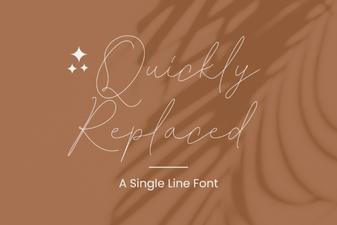 New Fonts You Can Easily Apply Today
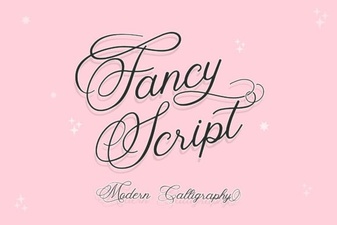 Crafting Elegance with Script Font Design Styles
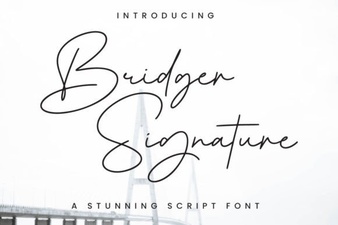 Bridger Signature Font: Design & Creative Applications
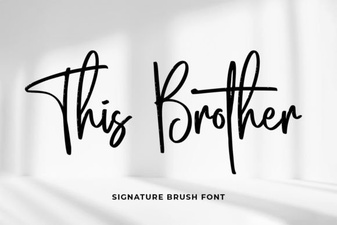 Creative Projects Using Brother Fonts
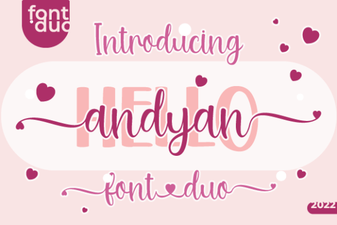 Hello Andyan Duo Font for Creative Web Projects
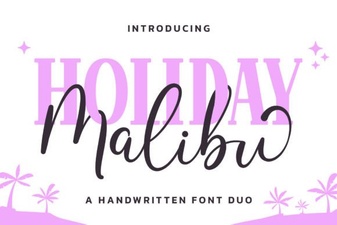 Malibu Holiday Font Pair for Creative Projects