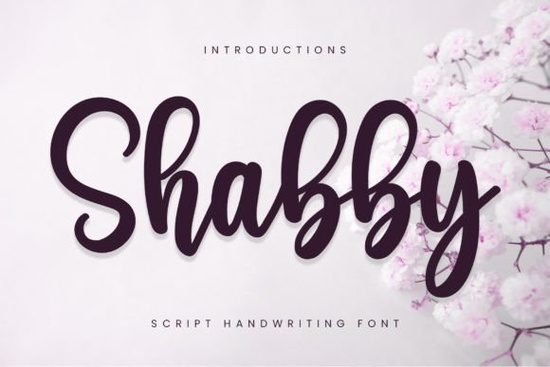
If you’ve been searching for a handwritten script that feels personal, soft, and just a little bit whimsical, you might want to take a closer look at Shabby Font. It’s the kind of typeface that doesn’t shout for attention but still manages to stand out perfect for designers who want elegance without stiffness, or crafters looking to add warmth to their projects. Whether you’re working on wedding invites, branding mockups, or even t-shirt designs for print-on-demand shops, this font brings a relaxed charm that’s surprisingly versatile.
What makes it especially useful is how naturally it fits into both digital and physical design spaces. You can pair it with clean sans-serifs for contrast, or let it shine solo on greeting cards and social media graphics. If you like fonts with personality think Malibu Holiday Duo or Rain Font Shabby will feel right at home in your toolkit.
What kinds of projects does Shabby Font work best for?
Because of its gentle curves and casual flow, this font is ideal when you want to communicate something heartfelt or romantic. Here are some real-world uses we’ve seen designers love:
- Wedding stationery invitations, menus, place cards, and thank-you notes all benefit from its soft, handwritten vibe.
- Small business branding boutique logos, packaging labels, or Instagram quote graphics feel more approachable with Shabby.
- Fashion and lifestyle lookbooks, product tags, or blog headers where you want a touch of effortless style.
- Greeting cards and journals whether digital or printable, it adds intimacy without being overly ornate.
- Marketing promotions seasonal sales, email headers, or limited-time offers that need to feel special but not stiff.
It’s also worth noting that if you’re using POD platforms like Etsy, Redbubble, or Printful, Shabby scales well and prints cleanly no fuzzy edges or lost details at smaller sizes. And if you’re pairing it with other scripts, try Hello Andyán Duo for a bolder contrast or Quickly Replaced for something more playful.
Is Shabby Font easy to use for beginners?
Absolutely. The file comes in standard formats OTF, TTF, and often WOFF so whether you’re using Canva, Adobe Illustrator, Procreate, or Silhouette Studio, installation is straightforward. Most users report they were able to start designing within minutes. There’s no complicated ligature system to learn, which is great if you’re not deep into typography. Just type, adjust spacing if needed, and you’re good to go.
One tip: because it’s a script, avoid using all caps unless you’re going for a very specific look. Lowercase and sentence case let the natural rhythm of the letters show through. Also, don’t overcrowd it give it some breathing room, especially in logos or headlines.
How does it compare to other handwritten fonts?
Compared to something like Malibu Holiday Duo, Shabby is less decorative and more everyday-elegant. Where Malibu leans into holiday cheer or coastal vibes, Shabby is neutral enough for year-round use. Against Rain Font, it’s smoother and less textured better for polished branding than grungy posters.
If you’re already using Hello Andyán Duo, you’ll notice Shabby has fewer alternate characters but a more consistent flow which can actually be a plus when you’re on deadline and need reliability. And while Quickly Replaced is fun and quirky, Shabby keeps things sweet and simple.
Any tips for getting the most out of this font?
Yes here are a few practical suggestions based on how real users apply it:
- Pair it with a clean sans-serif. Try Montserrat, Lato, or even Arial for body text. The contrast helps Shabby pop without competing.
- Use sparingly in logos. One or two words max any more and readability suffers.
- Adjust letter spacing slightly. Sometimes increasing tracking by 10–20 points helps the letters breathe, especially in all-caps phrases.
- Try it in gold foil or embossed textures. On mockups, this font shines when paired with tactile finishes.
And if you’re selling designs commercially whether on mugs, shirts, or digital templates double-check the license. Most Creative Fabrica fonts (including Shabby Font) come with a commercial license, but always confirm usage limits if you’re scaling up production.
Where should you start if you’re new to using script fonts?
Pick one project maybe a Mother’s Day card or a boutique logo and build around Shabby as your headline font. Keep everything else minimal: solid backgrounds, simple shapes, and neutral colors. Let the font do the talking. Once you’re comfortable, experiment with layering, shadows, or color overlays to see how far you can push it without losing legibility.
You might also explore similar styles like Shabby Font on Creative Fabrica to see how others are using it customer uploads and previews can spark ideas you wouldn’t have thought of.
Next step: Download the font, install it in your favorite design app, and test it on a small project this week. Even 15 minutes playing with layout and color combinations will help you see its potential and whether it’s the right fit for your creative workflow.
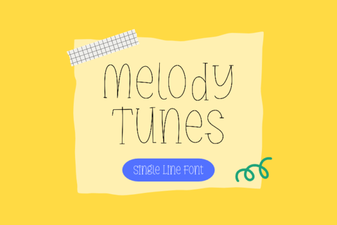 Melody Tunes Font: Creative Project Ideas
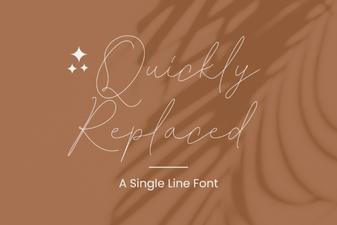 New Fonts You Can Easily Apply Today
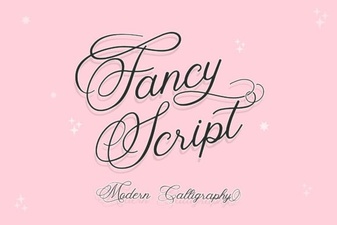 Crafting Elegance with Script Font Design Styles
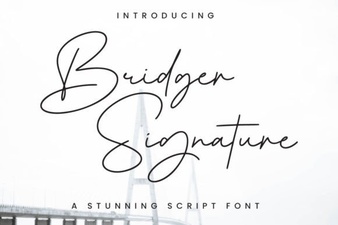 Bridger Signature Font: Design & Creative Applications
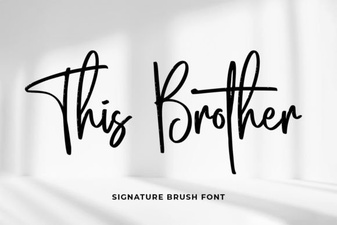 Creative Projects Using Brother Fonts
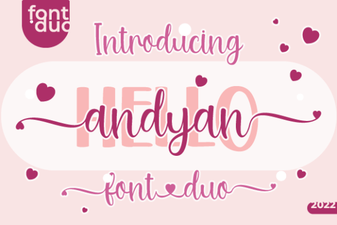 Hello Andyan Duo Font for Creative Web Projects