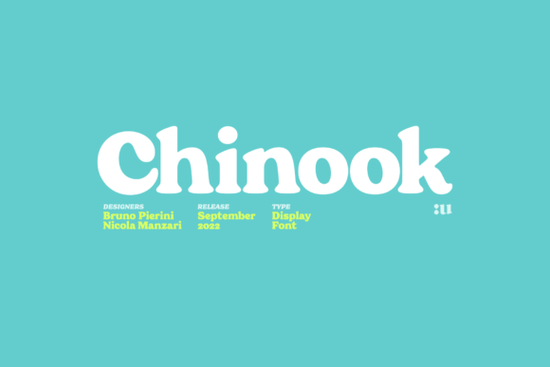
If you’ve been searching for a bold, nostalgic serif that feels both vintage and fresh, Chinook might be exactly what your next project needs. Inspired by the chunky Italian movie titles of the 70s and 80s, this font carries that unmistakable retro charm but it’s built for today’s design needs. Whether you’re designing merch, branding a small business, or just playing around with personal projects, Chinook holds its own without feeling dated.
What makes Chinook different from other heavy serifs?
At first glance, you might think of Cooper Black and you wouldn’t be wrong. Chinook nods to that classic, but it’s not a copy. The letterforms are more modern: rounded serifs, softer curves, and a slightly “fluffy” texture that keeps it friendly even at large sizes. It’s sturdy without being stiff, playful without being silly. That balance is rare in display fonts, which often lean too far into novelty or rigidity.
You’ll find similar vibes in fonts like Architect, which leans architectural and precise, or Wolfsmith, which has a rougher, handcrafted edge. But Chinook sits comfortably between those worlds polished enough for professional use, but warm enough for crafters and hobbyists.
Where does Chinook work best?
This isn’t a font for body text. Its weight and personality demand attention, so save it for moments when you want impact:
- Headlines and posters especially if you’re going for that cinematic, throwback feel.
- Branding and logos small businesses in food, fashion, or entertainment will love how approachable yet memorable it feels.
- Print-on-demand products think mugs, tote bags, or t-shirts where the font becomes part of the product’s identity.
- Social media graphics bold enough to stop scrollers, soft enough to avoid looking aggressive.
If you’re pairing it with another font, try something clean and minimal like White Hope for contrast, or even a simple sans-serif. Chinook doesn’t need competition; it just needs space to breathe.
Is Chinook easy to use for non-designers?
Absolutely. You don’t need advanced typography skills to make Chinook look good. Its letter spacing is generous by default, and the shapes are forgiving even if you’re just dropping it into Canva or a basic design tool. For crafters using Cricut or Silhouette, the outlines are smooth and well-constructed, so you won’t run into weird cut errors.
Small business owners can use it confidently on packaging, storefront signs, or digital ads. It reads well at large sizes and holds up under pressure even when printed on textured paper or embroidered onto fabric.
How does it compare to other Creative Fabrica serifs?
It’s worth noting that while Chinook stands out for its specific retro-modern blend, Creative Fabrica’s serif collection has plenty of alternatives depending on your vibe:
- Architect if you need something more structured and geometric.
- Wolfsmith for a grittier, inked-in look.
- White Hope when you want elegance with a touch of drama.
None of these are direct substitutes they each have their own voice. But if you like one, you’ll probably enjoy browsing the others. Think of them as siblings with very different personalities.
Any tips for getting the most out of Chinook?
Here’s what works well in practice:
- Don’t overcrowd it. Give it room. Even a single word in Chinook can carry a whole design.
- Try mixing weights. If available, pair the regular with bold or condensed versions for hierarchy.
- Use color wisely. It shines in warm tones (mustard, brick, cream) but also pops against deep backgrounds like charcoal or navy.
- Add subtle textures. A light grain or halftone overlay can enhance its vintage roots without overpowering it.
And if you’re curious about its influences, there’s a great write-up on the evolution of display serifs over at Typography.Guru not required reading, but fun if you’re into type history.
Who should skip this font?
If your project needs neutrality, professionalism, or subtlety, Chinook probably isn’t the right pick. It’s got character literally. That means it won’t disappear into the background. Also, if you’re working with tight spaces or tiny text, look elsewhere. This font wants to be seen.
Similarly, if you’re already using another ultra-bold display font in your brand (like Chinook’s cousin in your toolkit), adding this might create visual noise rather than harmony.
Quick checklist before you download:
- ✅ Are you designing something meant to grab attention?
- ✅ Do you want a font with personality but not gimmicks?
- ✅ Is your audience open to playful, retro-inspired visuals?
- ✅ Will the font be used at medium to large sizes?
If you answered yes to most of those, go ahead and give Chinook a spin. It’s one of those fonts that feels instantly familiar but still manages to surprise you with how versatile it is.
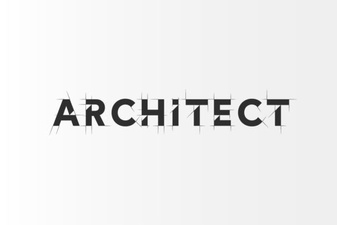 Architect Font Design Tips for Creative Projects
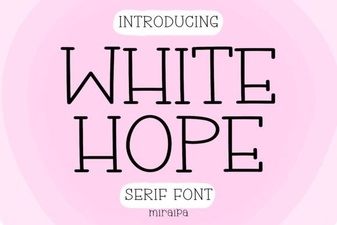 Design Your Project with White Hope Font
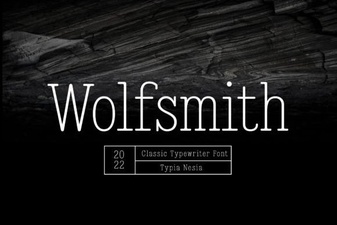 Wolfsmith Font: Crafting Bold Digital Designs
 Melody Tunes Font: Creative Project Ideas
 Elevate Your Design with Elegant Typography
 Yorks Font: Modern Typography for Design Projects